
AAC Blocks - Environmental Benefits and Overall Construction Cost
 November 23, 2026
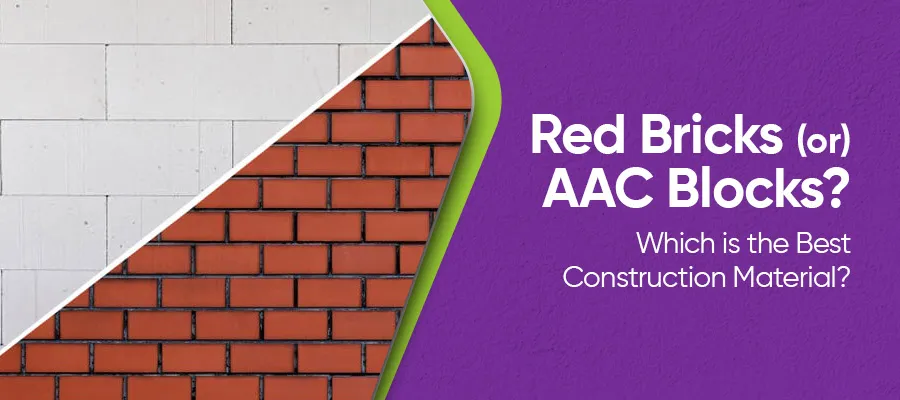
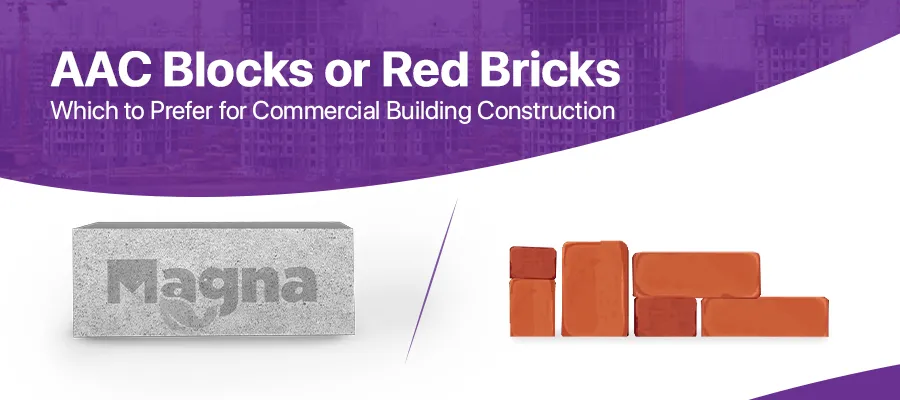
The construction industry is now shifting to sustainable building materials that are durable as well as eco-friendly. There are several types of modern construction materials; among them, Autoclaved Aerated Concrete (AAC) blocks seem to be the best alternative to traditional clay bricks and concrete blocks. They are lightweight, easy to handle and constructed in a place to ensure the energy-effective building.
In addition to their practical advantages, AAC blocks help in lowering the environmental impact of building operations. Understanding the environmental impact and AAC Block Construction Expenses allows all builders engaged in construction activities to make informed choices about using AAC blocks.
Environmental Advantages of AAC Blocks
Choosing eco-friendly building materials is very important to reduce the environmental impact of buildings. Eco-friendly AAC blocks are ideal for green construction. Some of the AAC Blocks benefits are listed below.
Reduced Use of Natural Resources
Clay bricks require huge quantities of natural clay that comes from mining. If clay mining is not conducted properly, the soils in the region and agriculture can be negatively impacted.
AAC blocks can be made from fly ash, sand, and industrial wastes (the selection of the raw material depends on the technology used). Using fly ash in particular helps utilise an industrial waste material that might otherwise require disposal. This approach can reduce dependence on natural resources and support more responsible material utilisation.
Lower Energy Consumption in Buildings
One of the main environmental benefits of AAC blocks is their insulating ability. The air pockets they contain slow down the movement of heat through a wall. In hot weather, this can limit the heat entering an interior.
Consequently, it enables buildings to maintain comfortable interior temperatures and may help reduce air conditioning use. Similarly, AAC walls can prevent heat from escaping in the winter. Therefore, lower usage of heating systems and cooling devices means lower energy needs.
Less Construction Waste
In the production of AAC blocks, the dimensions are consistent, and blocks can be shaped or cut according to construction specifications. This enables builders to have precise measurements of walls and less waste of material.
Thanks to their bigger size, we need fewer blocks to build a wall than we would when using smaller conventional bricks. By using AAC blocks in accordance with cutting techniques and construction methods, it is possible to preserve a neater building site and reduce waste.
Supports Sustainable Building Practices
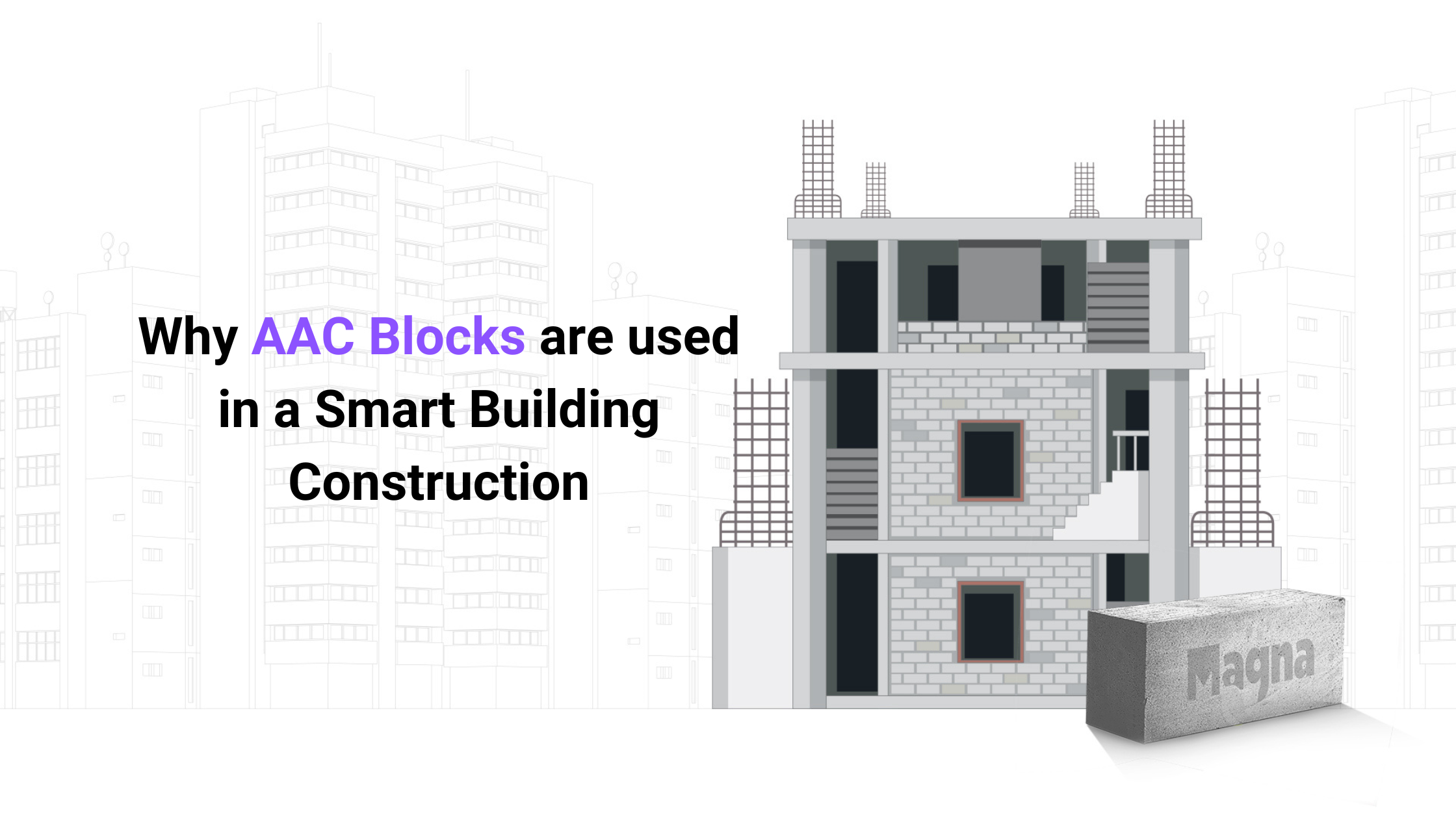
The lightweight nature, thermal insulation properties, and efficient utilization of materials in AAC blocks present a practical solution for sustainable construction projects.
The application of AAC blocks, along with appropriate techniques in design, materials, and construction, can improve buildings’ energy efficiency and help achieve green building objectives.
Understanding the Overall AAC Block Construction Cost
The cost of materials is an important point to keep in mind when budgeting for a construction project. However, the overall price of AAC Block Construction has to take into account other factors besides what was paid for materials. Material costs, labour, transport costs, amount of mortar used, structural features, as well as energy savings in the long run have to be included in the final cost. Consider these 5 crucial factors.
Cost of the Materials
AAC blocks come with different prices depending on thickness, density, quality, manufacturer, and transportation. However, due to the size of the blocks, they normally require less number of blocks to cover small areas.
Reduced Labour and Construction Time
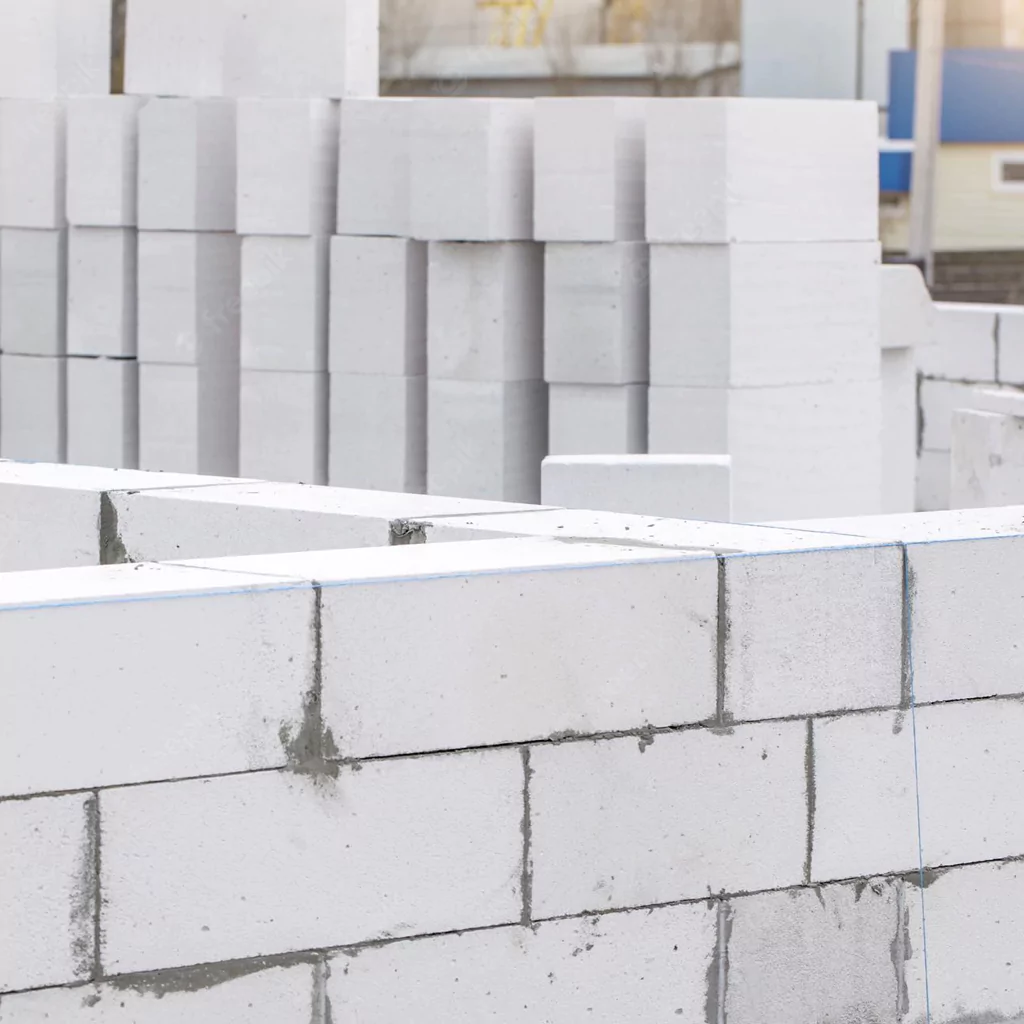
Due to the lightweight nature and larger size of AAC blocks, they are much simpler to handle and install. Their standard dimensions simplify alignment and assist workers in covering large areas faster. In turn, this reduces labour requirements and overall construction time.
Lower Mortar Consumption
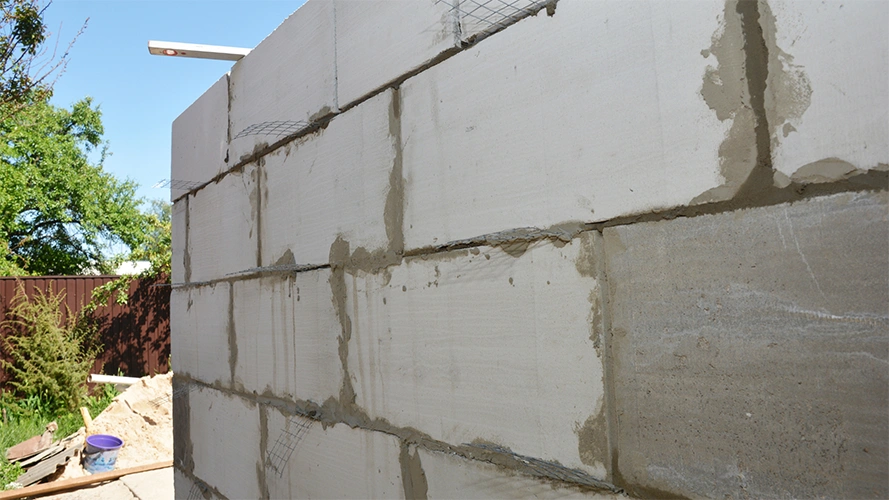
AAC blocks are usually installed using specialized thin-bed adhesive mortar rather than thick traditional mortar joints. This results in lower mortar usage and reduced material costs, as well as better wall alignment when placed correctly.
Savings in Structural Requirements
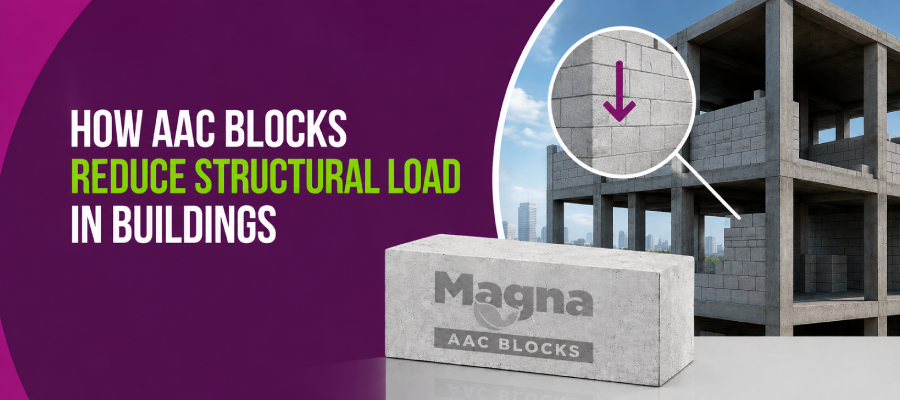
AAC blocks are lighter than most traditional masonry materials and consequently reduce the overall weight of the building, which may result in a possible reduction in the requirements of foundations, beams, and columns, depending on the structural design of the building.
Long-Term Energy Savings
AAC blocks have good thermal insulation, minimising heat transfer through walls. This means that it will help to keep an optimal temperature inside the house and thus reduce the need for heating and cooling appliances, which in turn saves a lot of electricity and money.
When looking at the total costs, including the initial expenses and the savings over a period of time, we can conclude that AAC blocks are a wise investment.
To Conclude
Selecting AAC Blocks refers not only to a modern building material but also to creating energy-efficient spaces and more sustainable buildings, as well as optimizing construction input. The overall cost involves material costs, labour, transportation, the amount of mortar used, structural conditions, and savings in energy consumption after construction is complete. Magna AAC blocks offers premium AAC blocks for sustainable and cost-efficient construction that provides operational efficiency and long-term cost benefits.
Recent Posts